Many homeowners start solar shopping by asking for a system price. That is understandable, but not enough. Before choosing between on-grid and off-grid solar, it helps to review a clear solar panel performance guide so the decision is based on output, usage and long-term value — not only the package size.
For Indian homes, the first serious solar question is usually simple: should the system stay connected to the electricity grid, or should it work with batteries for backup and independent use? The answer depends on location, power cuts, electricity bills, roof space, daily habits and budget.
The right solar system is not always the biggest one. It is the one that matches how the home actually uses electricity.
Start With the Problem You Want Solar to Solve
Solar buyers often compare panel wattage, inverter brands and total price too early. A better starting point is the reason for installing solar in the first place.
If the main goal is bill reduction
An on-grid solar system is often the more practical option where grid supply is stable and net metering or export arrangements are available. The system produces electricity during the day, the home uses what it needs, and excess generation may be exported depending on local rules.
If the main goal is power backup
An off-grid or hybrid setup may be more suitable where power cuts are frequent or where the property needs electricity even when the grid is unavailable. In this case, batteries become an important part of the system, not an optional accessory.
If both goals matter
Some homeowners want lower bills and backup power. That usually leads to a hybrid-style discussion, where solar panels, batteries and inverter selection must be planned together. This can be more expensive upfront, but it may better match homes with unreliable grid supply.
On-Grid Solar: Best When the Grid Is Reliable
An on-grid solar system is connected to the utility grid and normally does not require batteries. This keeps the system simpler and can reduce the initial cost compared with a battery-based setup.
For homes that use a good amount of electricity during the day, on-grid solar can be especially useful. Appliances, fans, daytime air conditioning, washing machines, water pumps and home office equipment can consume solar power while the system is producing.
Where on-grid systems can work well
- Homes with stable grid supply
- Properties with high daytime electricity use
- Households focused mainly on lowering electricity bills
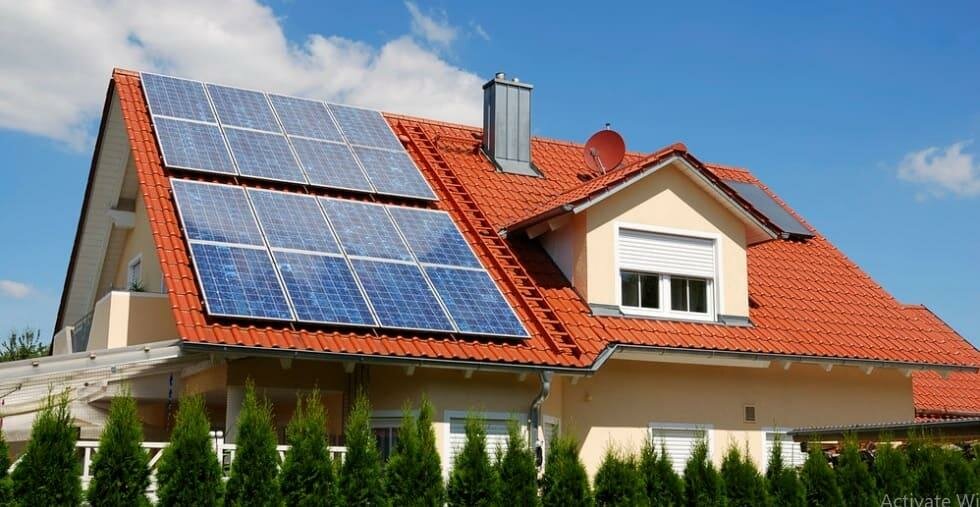
- Roofs with enough clear space for panels
- Locations where grid export or net metering rules are favourable
The important limitation
A standard on-grid system may shut down during a power outage for safety reasons. Homeowners who expect backup power should not assume that any solar system will automatically work during grid failure.
Off-Grid Solar: Useful Where Backup Matters More
An off-grid solar system is designed to work independently from the utility grid. It usually includes solar panels, batteries, a charge controller or battery-compatible inverter, protection devices and proper wiring.
This kind of system can be useful in areas with frequent power cuts, rural properties, farmhouses, small shops, remote buildings or locations where grid connection is weak or unavailable.
What makes off-grid planning different
With off-grid solar, the system must be sized carefully because the home depends on stored energy when sunlight is not available. Battery capacity, backup hours, appliance load and charging time all matter.
In an off-grid system, under-sizing the battery can be a bigger problem than choosing a slightly lower-wattage panel.
Common off-grid loads
- LED lights and fans
- Mobile and laptop charging
- Television and router
- Small refrigerator
- Water pump, if sized correctly
- Basic shop or office equipment
Do Not Choose System Size by Guesswork
One of the most common mistakes is buying a 1kW, 3kW or 5kW system because the number sounds right. Solar system size should be based on electricity usage and appliance load, not guesswork.
For on-grid systems
Review monthly electricity bills and calculate average daily consumption. The installer should also consider roof space, sunlight hours, system losses and local utility rules before recommending a system size.
For off-grid systems
List the appliances that need backup, their wattage and expected hours of use. This helps estimate both panel capacity and battery capacity. A system meant only for lights and fans will be very different from one expected to run heavy appliances.
A simple buyer habit
Before speaking with a seller, write down your top five electricity needs. For example: “reduce bill,” “run fans during power cuts,” “support home office,” “charge inverter battery faster,” or “power a small shop.” This makes the recommendation more accurate.
Solar Panels: Mono, Poly and Bifacial Choices
Solar panel choice affects output, roof usage and long-term performance. Many buyers compare only wattage, but panel type and quality also matter.
Monocrystalline panels
Monocrystalline panels are commonly chosen when efficiency and space usage are important. They can be a good fit for homes with limited roof area or buyers who want stronger output from fewer panels.
Polycrystalline panels
Polycrystalline panels may still be considered where budget is the main concern and enough roof space is available. The final choice should compare price, warranty, output and available area.
Bifacial panels
Bifacial panels can generate from both sides when the rear side receives reflected light. They are not automatically better for every roof, but they may be interesting for open structures, elevated mounting or areas with reflective surfaces.
A panel should not be selected because the name sounds advanced. It should be selected because it fits the roof, the budget and the energy target.
Inverter Selection Is Not a Small Detail
The inverter is the working center of the solar system. It converts solar power into usable electricity and influences safety, monitoring, backup behaviour and future expansion.
For on-grid solar
The inverter should match the solar array size, grid requirements and expected expansion plans. Good monitoring can help homeowners see daily production and notice problems early.
For off-grid solar
The inverter must support the connected load and battery system. Buyers should check surge capacity if they plan to run appliances with motors, such as pumps or refrigerators.
Ask about expandability
If the household may add more panels or batteries later, the system should be planned with that possibility in mind. Expanding a poorly designed system can become expensive.
Roof Check Before Installation
Solar panels work for many years, so the roof should be checked before installation. A weak, leaking or shaded roof can reduce the value of the system.
What to inspect
- Available shadow-free space
- Roof strength and surface condition
- Direction and tilt of the installation area
- Nearby trees, water tanks or buildings causing shade
- Safe access for cleaning and maintenance
- Space for inverter, battery and protection equipment
Dust is also important in many Indian locations. Panels may need periodic cleaning, especially during dry months or near roads, construction areas and industrial zones.
Questions to Ask Before Buying
Good questions can prevent a poor solar purchase. Before placing an order, homeowners should ask for clear answers in writing wherever possible.
- Is this system on-grid, off-grid or hybrid?
- What appliances can it support?
- How much electricity can it generate in a normal month?
- What panel type and wattage are included?
- Which inverter brand and model are included?
- What battery capacity is included, if any?
- What warranty applies to panels, inverter and batteries?
- Is installation material included in the price?
- Will the system support future expansion?
- Who handles service after installation?
Final Thoughts
Choosing between on-grid and off-grid solar is not only a technical decision. It is a practical household decision. A home with reliable grid power and high electricity bills may need a different system from a home that faces regular power cuts and needs dependable backup.
The best solar purchase starts with clear usage data, a roof check, the right panel and inverter combination, and honest expectations about what the system can and cannot do. When homeowners understand these basics, they are more likely to choose a system that performs well, lasts longer and gives better value over time.